“Good grief!”
What is ‘good’ grief? What could possibly be good about grief? Grief by definition is intense sorrow. I watched Comic Relief tonight and there was a moment taken to remember the 1,700 and more who passed from COVID-19 in Ireland. The families and friends of over 1,700 people who were not able to fully mourn those deaths.. that intense sorrow they must have felt. That grief.
Out of sight. Not out of mind.
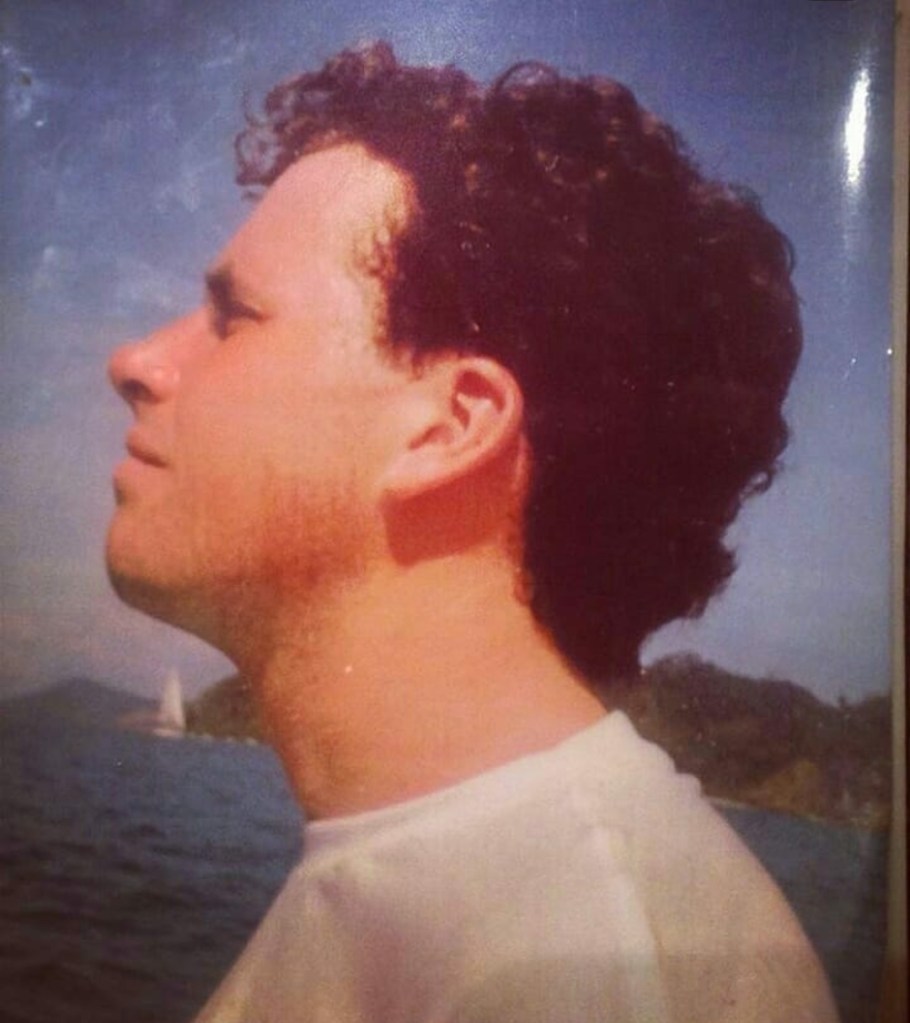
The grief I felt when my Dad passed is another type of grief. Looking back, I was at least able to say my goodbye – though at the age of 6, did I know we were saying goodbye to who was supposed to be a pillar of guidance throughout the rest of my life? How do you process that loss at that age? You don’t. I wonder how my Mum’s grief felt – how it feels? My brothers? Because at least for me, my grief is ever-changing and always present. Far less potent sometimes than others, absolutely. But always present.
Your absence is inconspicuous, nobody can tell what I lack.
Sylvia Plath
I had a dream recently that I found my Dad, after 18 years, wandering desert mountains. He was exploring and utterly free. And I was angry. I woke up with a tear-soaked pillow and sore eyes. I had a chance in a dream to hug him, to celebrate him, to even just see him – and I was angry. Angry at all the moments I’ve lost out on in life because of a random accident that pulled him away from us. He’s somewhere, I like to think, but he’s not here.
It’s the funniest thing that makes me particularly sad. My Dad was absolutely blown away by the very first Lord of the Rings movie. He never got to see the one after that, or after that. There are so many movies, milestones, inventions and accomplishments that he would’ve loved but doesn’t get to see. I don’t think I will ever get over how utterly unfair it is that there are all of these experiences that he will never have.
Grief. Sometimes I feel it and I want to really be allowed to feel it. Ignoring and suppressing. That seems to be my way of processing and moving on, until the next thing. But, lucky am I that I can ‘move on.’ Would I be lying when I say to you that I think about him everyday? Absolutely not. But I am by no means debilitated by it. I’m not overcome with grief when I think of that monumental loss. However, I’ve realised recently that I need to really acknowledge it and not push it down onto itself, hoping that the icy clutches of the grief shatter and melt away. This is what I’ve always done.
Sometimes the water is calm. Sometimes it is overwhelming. All we can do is learn to swim.
Vicki Harrison
I don’t know what I want to say. To be honest these thoughts are exhausting, and I miss someone that I’ve experienced majority of my life without. But – the only way out of grief is through it. I have a permanent space reserved for him, and no amount of practice covering up the hole with pretty fabrics or threads could hide it.
So, after almost 18 years of suppressing my sadness, my anger, my what-ifs and denial, I have opened up for the first time in my life and finally spoken to someone close to me to say that these feelings exist, that I feel them and I want to feel them. All out of my fear of upsetting others and worrying about how they might react when the topic of conversation turns to Dads, or my lack thereof, I have not once been true to how I’ve felt.
I’ll leave you with my incredibly late realisation: grief is a process that doesn’t necessarily end. But the ebb and flow of it becomes a part of the day-to-day in a way that I can honestly say is a reminder of the part my Dad continually plays in my life – a reminder to live life like him, as fully and openly, passionately and in love with life as he was. He has been a pillar of guidance through memory and stories. I am the person I am because of who he was. It’s not that I want to stop the feelings of grief, but to convert them. He’s not here, but he is so present. To feel grief is necessary. Acknowledging it even more so.
I’m okay, and I’m happy. I suppose that’s what you could call “good grief”.
 wander-where.com